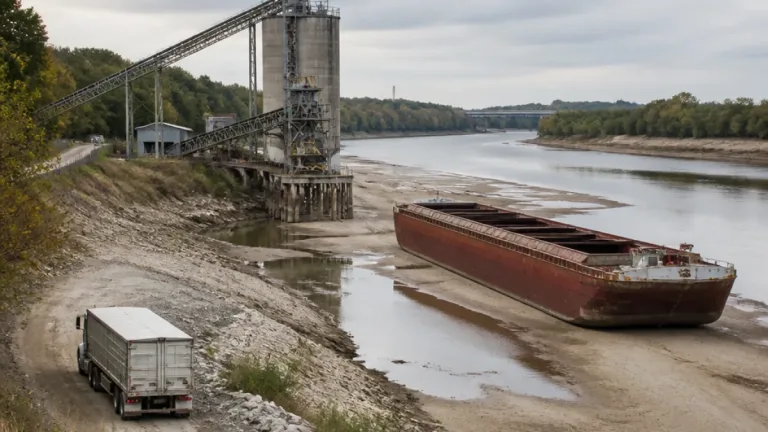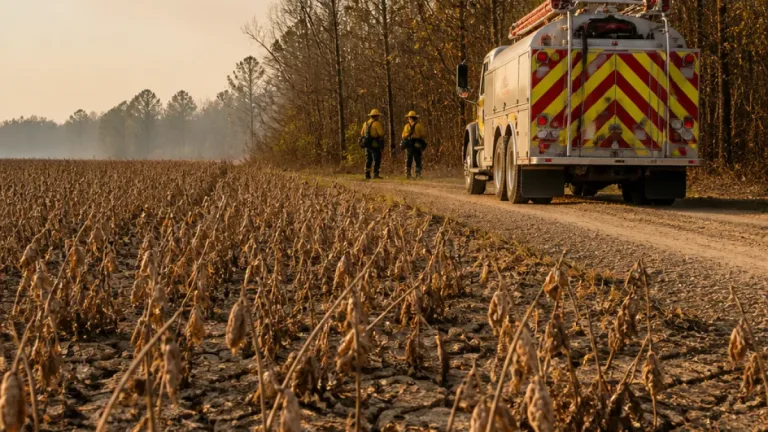
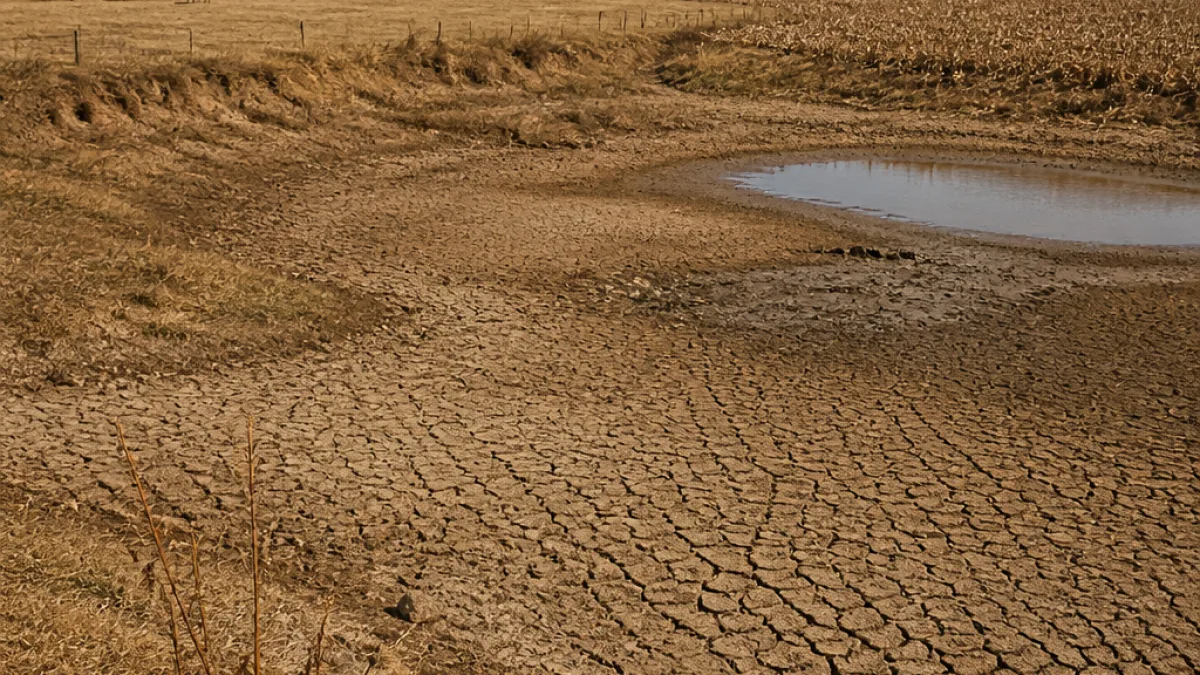
The U.S. Department of Agriculture has designated Crawford, Polk, Scott and Sebastian counties in Arkansas as natural disaster areas because of severe drought, making agricultural producers in those counties eligible to seek emergency loans through the Farm Service Agency.
The assistance follows a disaster designation by the secretary of agriculture and covers producers whose operations suffered losses related to the dry conditions. Eligible applicants may use the loans to replace livestock or essential equipment, reorganize an operation or refinance farm debt, the USDA said.
Arkansas counties included
The Arkansas counties are included as neighboring counties to the Oklahoma areas identified in the designation. The primary Oklahoma counties listed are Atoka, Coal, Johnston, Le Flore, Marshall, Osage, Sequoyah and Washington. The designation also includes additional contiguous counties in Oklahoma, Kansas and Texas.
- Crawford County
- Polk County
- Scott County
- Sebastian County
Applications will be evaluated based on the losses experienced by the producer, available security and the applicant’s ability to repay the loan. The program is intended for producers who need financing to recover from the drought’s effect on their operations rather than ordinary commercial lending.
The application period remains open through June 21, 2027. Producers can use the USDA’s Disaster Assistance Discovery Tool and Loan Assistance Tool at farmers.gov to review available options. They may also contact a local USDA Service Center to file a Notice of Loss and discuss an application with agency staff.
Additional counties covered
The designation extends beyond Arkansas. Producers in Chautauqua, Cowley and Montgomery counties in Kansas and Grayson County in Texas can apply. In Oklahoma, the covered neighboring counties include Adair, Bryan, Carter, Cherokee, Choctaw, Haskell, Hughes, Kay, Latimer, Love, McCurtain, Murray, Muskogee, Noble, Nowata, Pawnee, Pittsburg, Pontotoc, Pushmataha, Rogers and Tulsa.
The emergency loans may be used for documented recovery needs such as replacing livestock or equipment, adjusting an operation to withstand another difficult year or refinancing debt affected by the losses. The USDA’s assistance tools are intended to help producers identify programs and prepare the information required by their local service center.