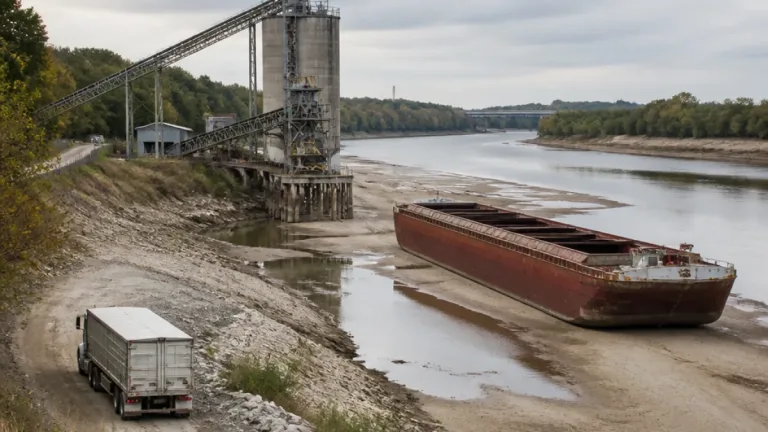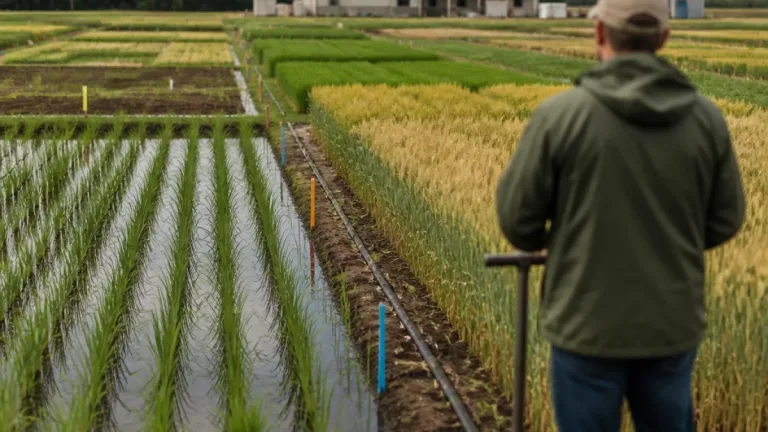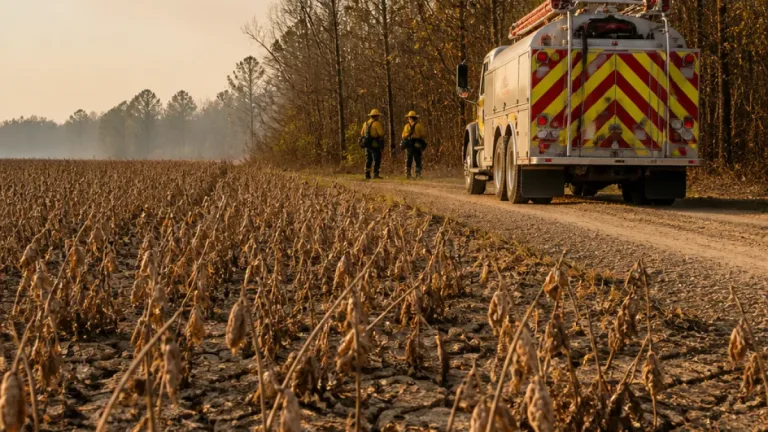
Arkansas recorded more farm bankruptcies than any other state during the third quarter of 2026, as producers faced financial pressure from operating costs and other economic conditions affecting agriculture.
The state had 12 Chapter 12 filings from July through September, according to federal court data compiled by the University of Arkansas Division of Agriculture. Iowa, which had the next-highest total, recorded six filings during the quarter.
Chapter 12 is the portion of federal bankruptcy law designed for family farmers and family fishermen with regular annual income. The filings provide one measure of financial distress, although the National Agricultural Law Center says agricultural operations may also seek protection under other bankruptcy chapters.
“The number of Chapter 12 bankruptcies filed this quarter underscores the significant financial pressures facing U.S. agriculture.”
Harrison Pittman, director of the National Agricultural Law Center, said the quarterly figures do not capture the full range of agricultural bankruptcies. The center's Data on Economic and Bankruptcy Trends project combines federal data on operations filing under Chapter 11 and Chapter 12 to provide a broader measure.
National filings increase
Across the country, 292 Chapter 12 cases had been filed during the first three quarters of 2026, compared with 246 during the same period in 2025. That represents an increase of nearly 19%. The third quarter alone accounted for 91 of this year's filings.
- Arkansas recorded 12 Chapter 12 filings in the third quarter.
- Iowa recorded six, the next-highest state total.
- Nationwide Chapter 12 filings reached 292 through the first three quarters of 2026.
Chapter 11 filings also increased nationwide. Federal court data showed 7,623 Chapter 11 cases during the first three quarters of 2026, up from 6,838 during the same period in 2025. The increase was 11.5%.
The National Agricultural Law Center's project is intended to track agricultural bankruptcy patterns over time, including geographic changes and emerging financial challenges affecting farm operations. The data was reported by Mary Hightower of the University of Arkansas Division of Agriculture.