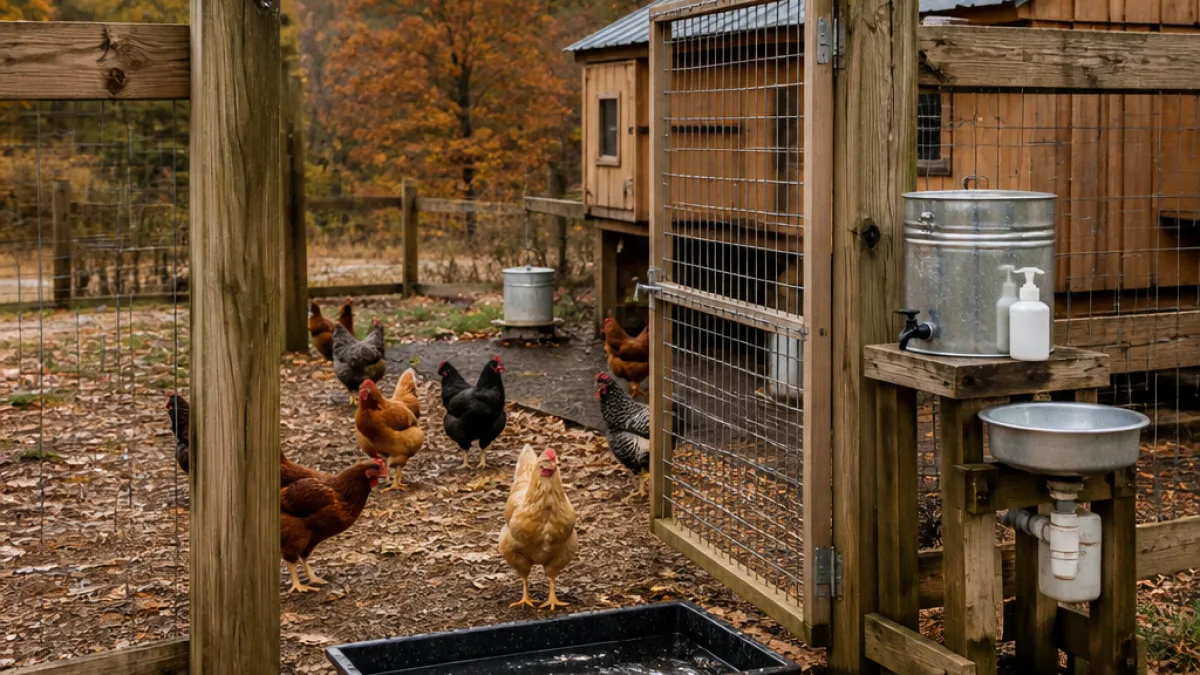
The Arkansas Department of Agriculture confirmed the state’s first seasonal detection of highly pathogenic avian influenza in a backyard domestic poultry flock in eastern Baxter County.
Department officials confirmed the virus on Oct. 27. The detection is the only one currently identified in Arkansas, the agency said, while cases in other states have increased. Highly pathogenic avian influenza, commonly called HPAI, can cause sudden death or severe illness in wild and domestic birds.
“While this is currently the only detection in Arkansas, increasing detections in other states reinforce the importance of continued prevention and monitoring.”
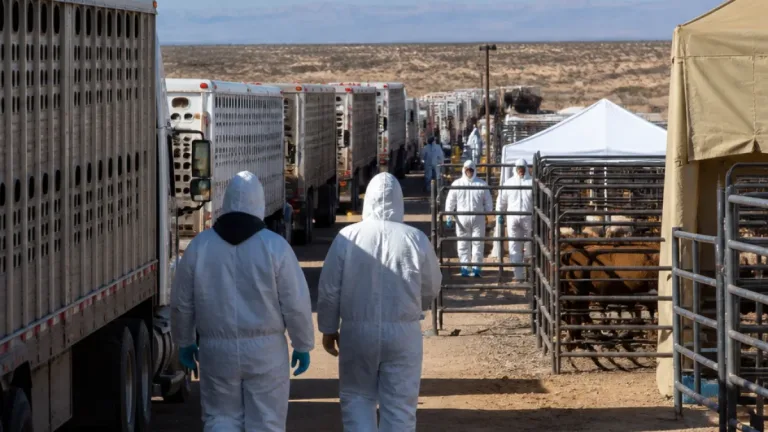
The virus can spread through contact with infected birds as well as contaminated equipment and other materials, agriculture experts said. The disease presents a risk to backyard flocks and commercial operations because poultry can carry and transmit the virus before owners recognize signs of illness.
Biosecurity measures
The department advised poultry owners and farmers to use preventive steps when handling birds or working around poultry areas. Recommended measures include:
- Washing hands and shoes before and after contact with birds.
- Limiting poultry’s exposure to wild birds.
- Restricting visitors in areas where poultry are kept.
- Keeping new birds separate for at least two weeks.
Those practices are intended to reduce the movement of the virus between wild birds, backyard flocks and commercial poultry facilities. Contaminated footwear, equipment and other materials can also carry the virus into areas where birds are housed.
Arkansas’ poultry industry is valued at $6.7 billion annually, according to the information released by the department. An outbreak can produce economic losses for individual producers and for the state’s poultry sector, particularly when infected flocks must be managed under animal-health protocols.
Arkansas rules require suspected and confirmed cases of avian influenza to be reported to the Department of Agriculture. Reports can be made to the department at (501) 823-1746. The agency’s confirmation marks the start of the seasonal monitoring period for Arkansas poultry owners, with prevention and prompt reporting serving as the primary measures identified by officials in response to the detection.