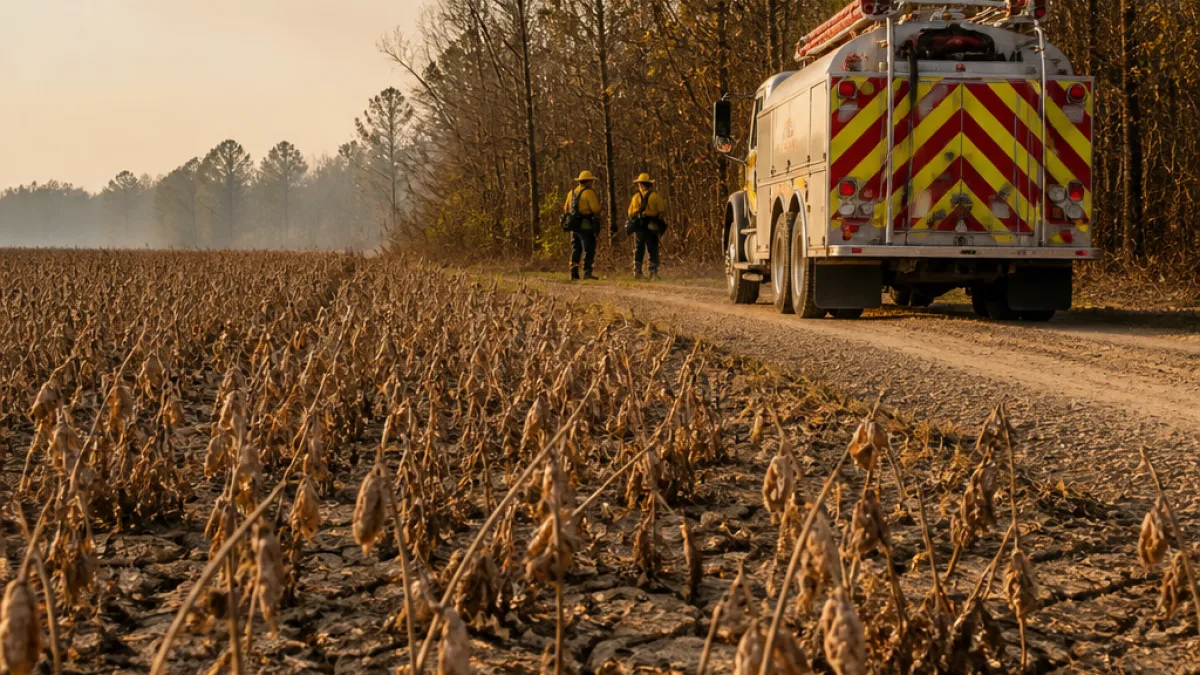
A prolonged dry spell has prompted county officials across Arkansas to bar outdoor burning in more than half the state, a move that carries direct implications for farmers, timberland owners and people cleaning fall leaves.
Counties and enforcement
The Arkansas Department of Agriculture counted 51 counties under local burn bans as of Oct. 20, according to local media reporting. County judges and fire chiefs have issued the orders at the local level; enforcement typically falls to county sheriffs, volunteer fire departments, the county office of emergency management and Arkansas Forestry Commission personnel.
- Craighead County — County Judge Marvin Day issued a ban on Oct. 20 after fire chiefs told him local resources were strained.
- Other counties named in reporting with active bans included Jackson, Poinsett, Clay, Cross, Cleburne, Lawrence, Woodruff, White and St. Francis.
- County bans cover all outdoor burning and remain in effect until officials lift them.
“I issue a ban when local fire chiefs report that ‘things are out of hand and their resources are getting stretched too thin,’” County Judge Marvin Day said.
How dry it is
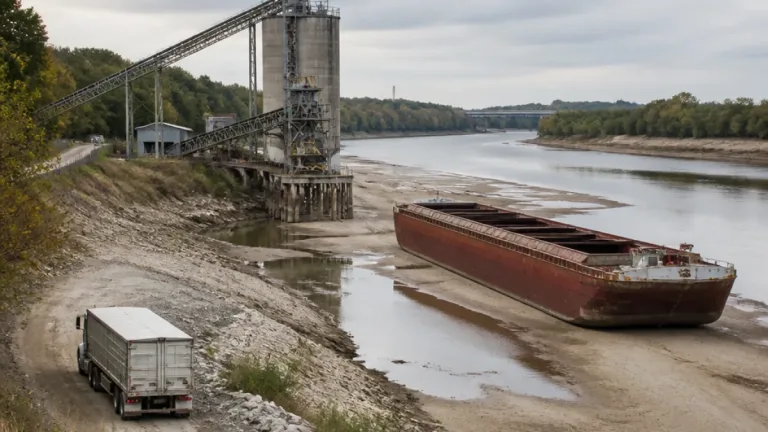
Federal climate data cited in reporting indicate the area around Craighead County would need more than 15 inches of rain in a month to erase the current drought deficit. The dry conditions have been developing for months: the University of Arkansas System Division of Agriculture reported on Aug. 20 that all but six of Arkansas’s 75 counties were then under burn bans, each issued by county judges.
Chris Buonanno, science officer at the National Weather Service office in Little Rock, said earlier this year that even a season of typical rainfall likely would not be enough to return the state to normal soil moisture levels. That projection and continued low humidity and high winds are the weather factors officials have cited as most dangerous for fires.
Judge Day said he is watching humidity and wind closely and hopes for measurable rain soon. He told local reporters he would like to see “an inch or two or three” to relieve the immediate danger.
Implications for agriculture and fall work
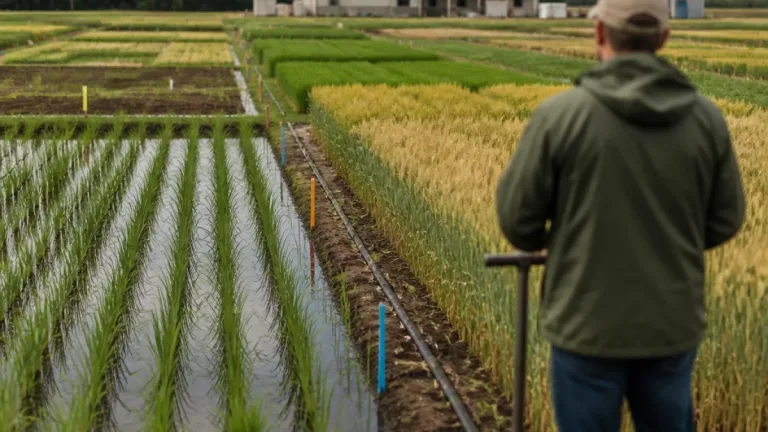
The bans affect customary fall practices such as burning crop residue, rangeland management fires and leaf disposal. Farmers and landowners who normally use controlled burns to clear fields or maintain pastures must follow local orders and are subject to enforcement by the agencies listed above. The restrictions also place additional pressure on volunteer fire departments and county emergency resources during a season when dead fuels are plentiful.
State and federal drought monitoring products continue to show large areas of the state at elevated drought levels. Local officials said bans will remain until fire chiefs and county judges determine conditions have improved.
County residents should consult their county judge’s office, local fire department or the Arkansas Department of Agriculture for the official text of any burn ban covering their area.