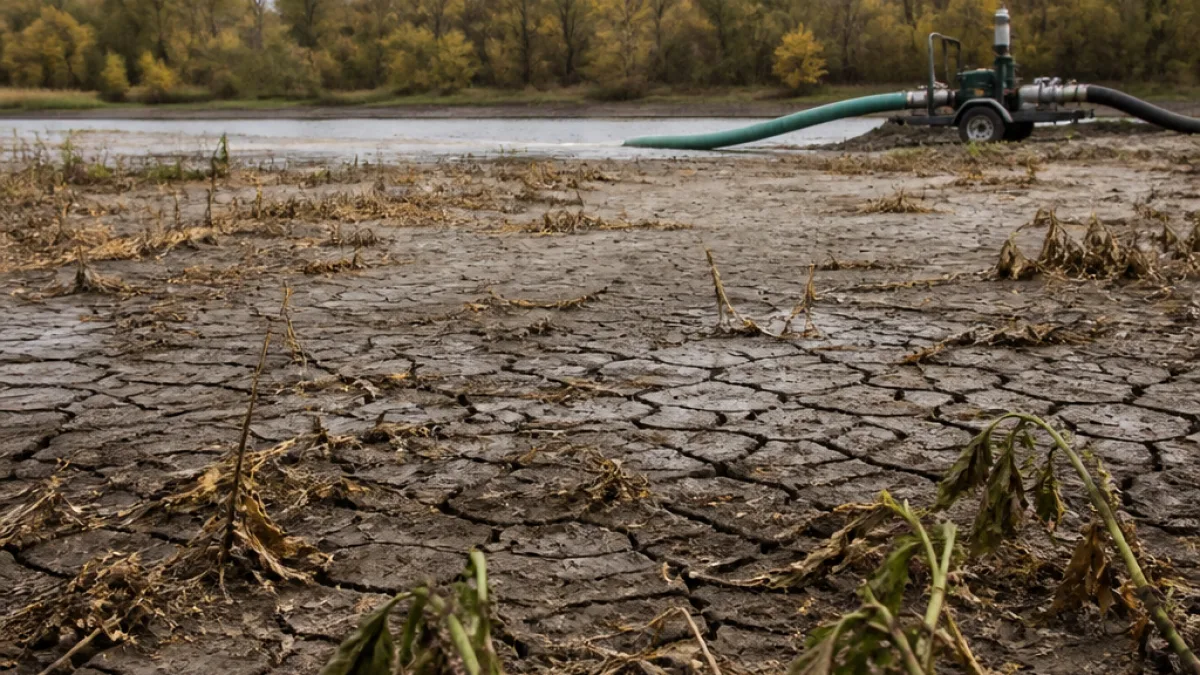
The Arkansas Game and Fish Commission is warning hunters that an extended drought has sharply reduced the agency’s ability to flood wetland units ahead of the first segment of duck season, which opens Nov. 21.
Less water, fewer flooded units
Agency officials told commissioners in Little Rock on Oct. 7 that accumulated rainfall deficits and low water supplies mean many moist-soil management units and other wetland areas will not be available for the opening of the season.
“We’re still more than a month away until duck season opens, but we need to talk now to prepare you and our hunters about the effects of this prolonged drought on both public and private land,” said Doug Schoenrock, director of the Arkansas Game and Fish Commission.
At the meeting, AGFC assistant chief of wildlife management David Luker said the commission could flood only 42 percent of the moist-soil units it manages as of early October. Luker warned that number will decline if dry conditions persist.
Jeffrey Cothren, the AGFC’s Wetland Habitat Program coordinator, provided more detail on the agency’s operational limits. The 71 units that still contain some water together total about 4,627 acres, but the commission currently has the capacity to flood only 3,553 acres for hunts.
- 3,553 acres currently floodable across AGFC-managed moist-soil units
- 2,020 acres of those acres are at the Steve N. Wilson Raft Creek Wildlife Management Area
- Best-case pumping could produce 34 permit hunt locations at Raft Creek by Christmas
Management actions and outlook
Cothren told commissioners the AGFC has begun continuous pumping at Raft Creek from the White River to sustain the most promising hunting locations, but he emphasized continued pumping and available river levels will determine how many permit hunts are possible later in the season.
The commission is monitoring conditions across both public and private wetlands and is making information available to hunters about which wildlife management areas have water and which do not. Officials urged hunters to temper expectations for the early season and to check AGFC updates before planning trips.
| Figure | Detail |
|---|---|
| 14 months | Duration of drought affecting Arkansas wetlands |
| 20 inches | Some areas are more than this much behind in cumulative rainfall totals, agency officials said |
| 71 units / 4,627 acres | Units with some remaining water |
| 42% | Percent of moist-soil units the AGFC could flood at the start of October |
Officials stressed that much of the recovery depends on weather and river flows rather than agency action alone. The AGFC said it will continue to provide updated maps and availability information so hunters can plan around limited public waterfowl opportunities.