LITTLE ROCK — researchers at the University of Arkansas for Medical Sciences Winthrop P. Rockefeller Cancer Institute published findings Oct. 27 in Cell that the institute says map molecular changes tied to T‑cell exhaustion and could inform more effective cancer immunotherapies for solid tumors.
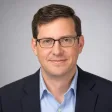
The study was led by Sydnye Shuttleworth, an M.D./Ph.D. student and Cancer Institute member, with Brian Koss, Ph.D., assistant professor in the College of Medicine Department of Biochemistry & Molecular Biology, listed as the senior author. The institute said the work focuses on how the immune system controls cancer progression and on improving chimeric antigen receptor, or CAR, T‑cell therapies in solid tumors, where T cells frequently become dysfunctional.
Why it matters
- The research aims to identify proteins and pathways involved when T cells lose their ability to kill cancer cells, a state often called exhaustion.
- CAR T‑cell therapy, which genetically modifies a patient’s T cells to target cancer, has been effective in many blood cancers but has faced limited success in solid tumors because of T‑cell exhaustion and the tumor microenvironment.
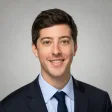
Michael Birrer, M.D., Ph.D., UAMS vice chancellor and director of the Winthrop P. Rockefeller Cancer Institute, said the publication’s placement in Cell underscores its importance and the caliber of research at the institute.
“Dr. Koss and his team are leading work that could impact how the immune system fights cancer and create opportunities to develop more effective immunotherapies,” said Michael Birrer, M.D., Ph.D., UAMS vice chancellor and director of the Winthrop P. Rockefeller Cancer Institute.
The university release described the paper as a proteomic study of T‑cell exhaustion that characterizes proteins associated with the exhausted state. The research team indicated the results may point to molecular targets and strategies to prevent or reverse exhaustion, with the goal of boosting the activity and durability of therapeutic T cells in solid tumors.
research team and institutional context
Shuttleworth led the study under Koss’s mentorship. Koss is co‑leader of the Cancer Institute’s Cancer Therapeutics research program and holds a faculty appointment in the UAMS College of Medicine. The Cancer Institute highlighted the student–mentor team in announcing the publication.
The release noted Cell is among the world’s leading journals in biochemistry, molecular biology and cell biology and that publication there reflects peer recognition of the study’s potential impact.
The institute did not provide clinical trial results or timelines for translating the proteomic findings into therapies; it described the work as a discovery that may create opportunities to develop improved immunotherapies.
Next steps announced by UAMS
- Further laboratory work to validate protein targets identified in the proteomic analysis.
- Preclinical studies to test strategies that might prevent or reverse T‑cell exhaustion in tumor models.
The UAMS announcement highlighted the role of institutional research infrastructure in supporting high‑impact science and did not provide specific funding figures or external grant citations in the release.
UAMS officials and the Cancer Institute characterized the publication as a milestone for the institute’s Cancer Therapeutics program and for efforts to expand the effectiveness of CAR T‑cell approaches against solid tumors.