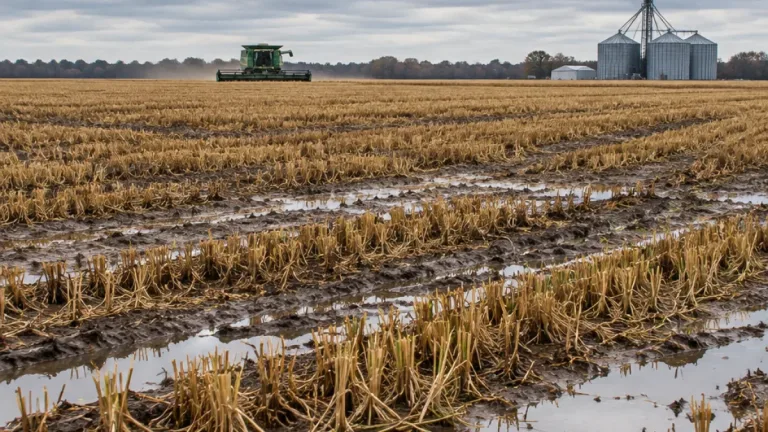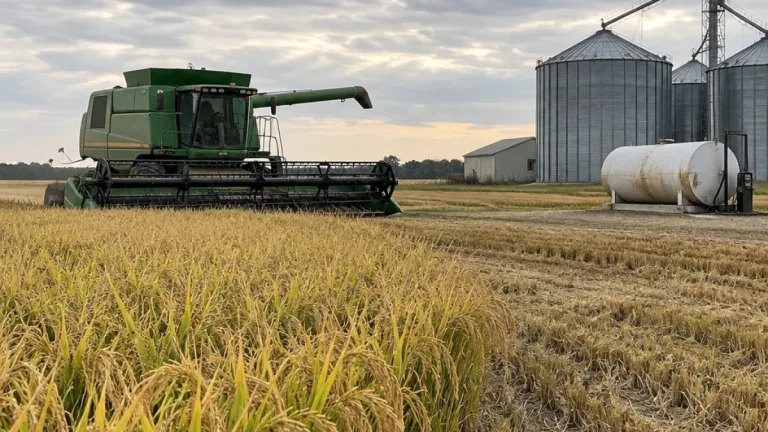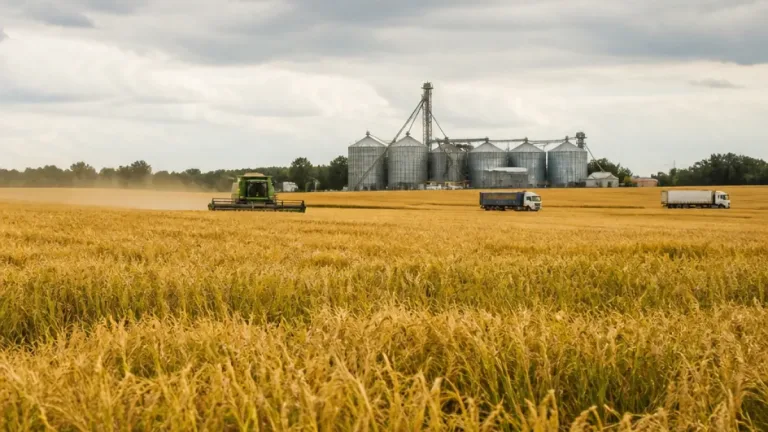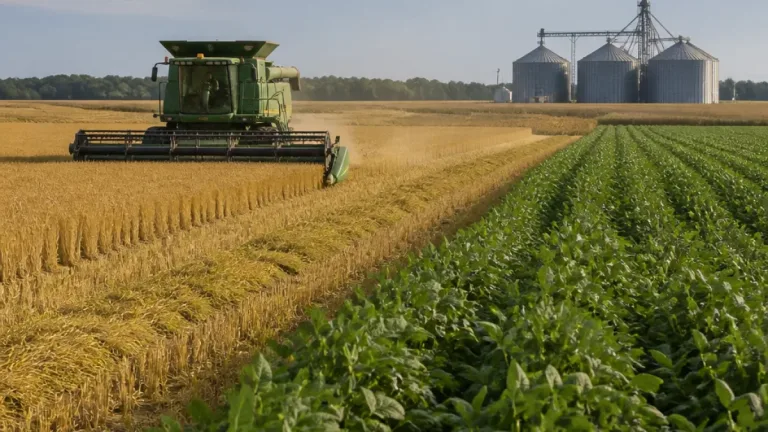
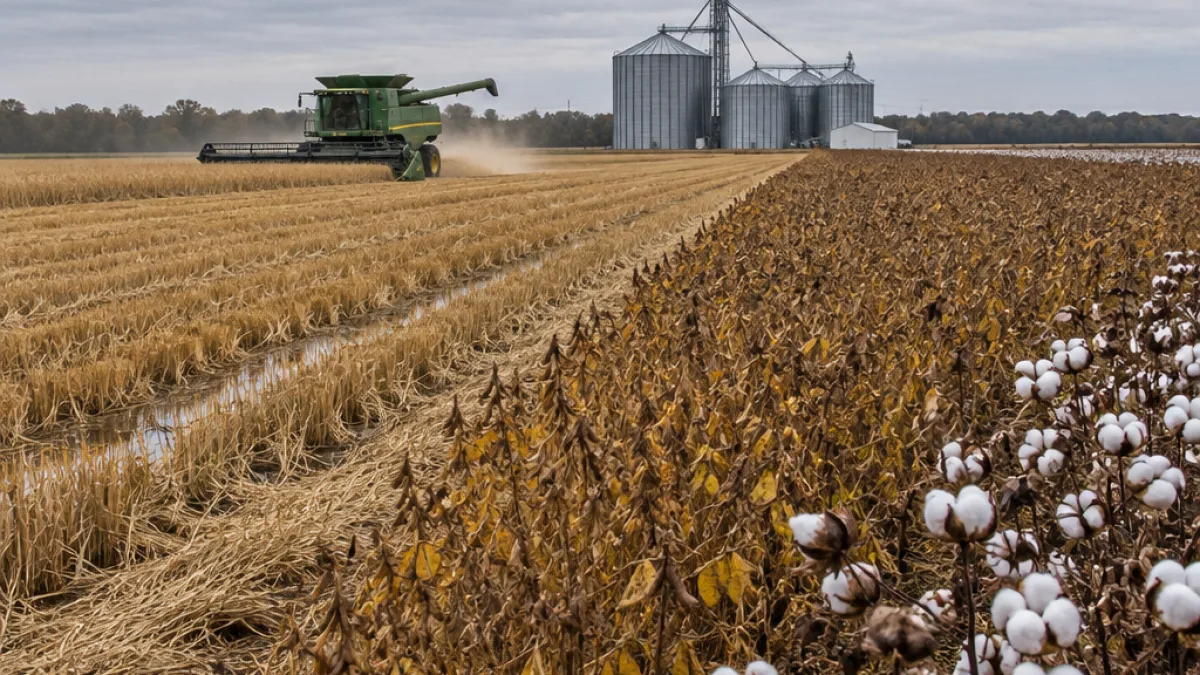
An eastern Arkansas farmer said this year’s harvest produced sharply different results across crops, with rice milling performance falling short and soybean yields ranging from among his best to among his worst.
Brian Alumbaugh told Brownfield that he had completed fall harvest and was assessing the financial position of his operation as producers move toward 2027. He said the combination of uneven crop performance and difficult farm economics was making decisions about the next growing season more complicated.
“The milling on the rice was off again. The cotton wasn’t bad. I’ve cut some of the best and worst soybeans ever this year,”
Rice quality is measured in part by milling results, which affect the amount of whole grain recovered during processing. Alumbaugh’s assessment covered several major Arkansas crops, but he did not describe the harvest as uniform across the farm. His comments placed the weakest rice milling results alongside a cotton crop he considered acceptable and soybean fields with widely different outcomes.
Crop results and sales
- Rice: Milling results were weaker again, and Alumbaugh continued to hold most of his crop.
- Cotton: The crop was described as not bad, although the farmer said he had not yet sold it.
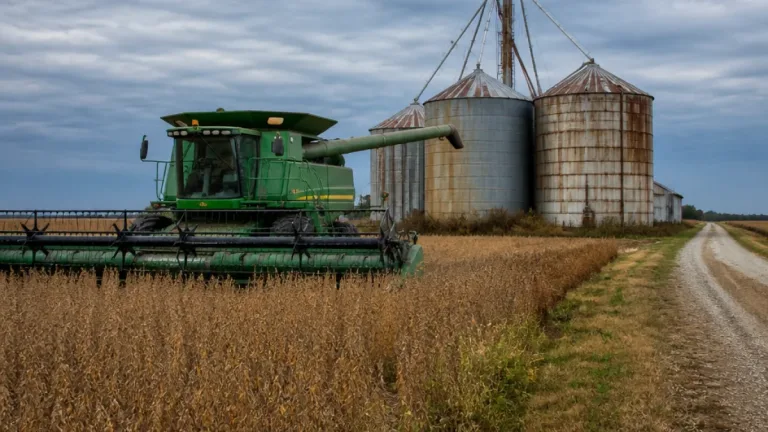
- Soybeans: Yields included some of the best and worst he has seen.
- Corn: A small amount remained unsold along with the rice.
Alumbaugh said he had sold most of his soybeans and much of his other marketable production. He described those soybean sales as necessary to keep the operation going for another year. Rice and a small amount of corn remained to be marketed, while the cotton had not yet been sold.
“It’s been an interesting fall to market those crops.”
The marketing decisions came as Alumbaugh considered whether the farm’s economics would support another production cycle. He said the financial pressures facing agriculture were becoming more difficult and that the uncertainty extended beyond the results of a single crop.
Alumbaugh said farmers would face tough decisions this winter as they evaluate their operations for next year. His comments focused on the practical choices created by crop quality, yield variation and the timing of sales after the 2026 harvest.