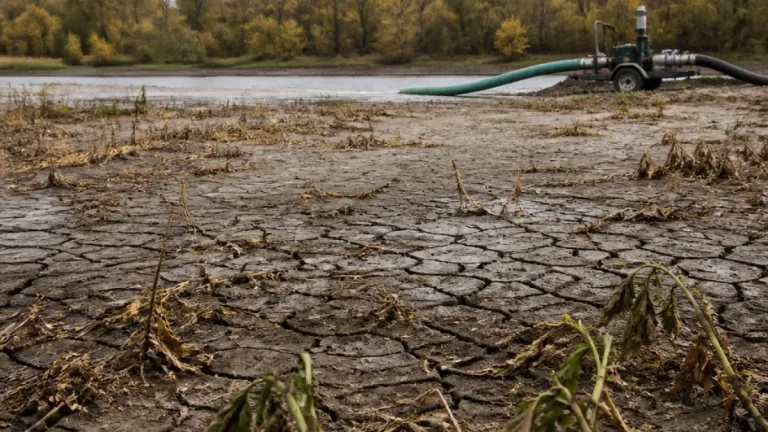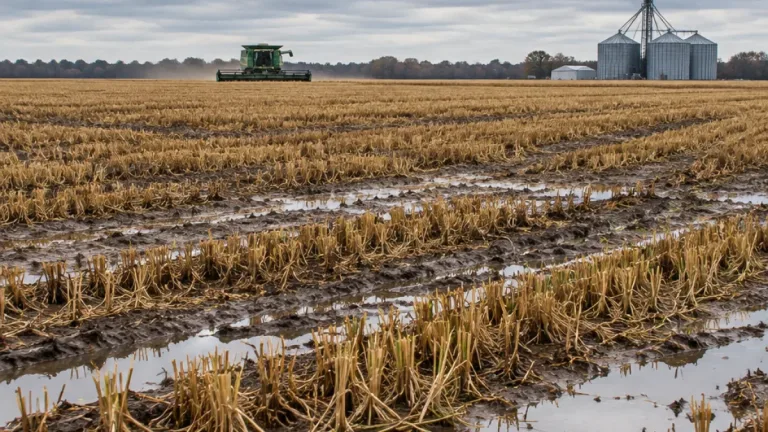
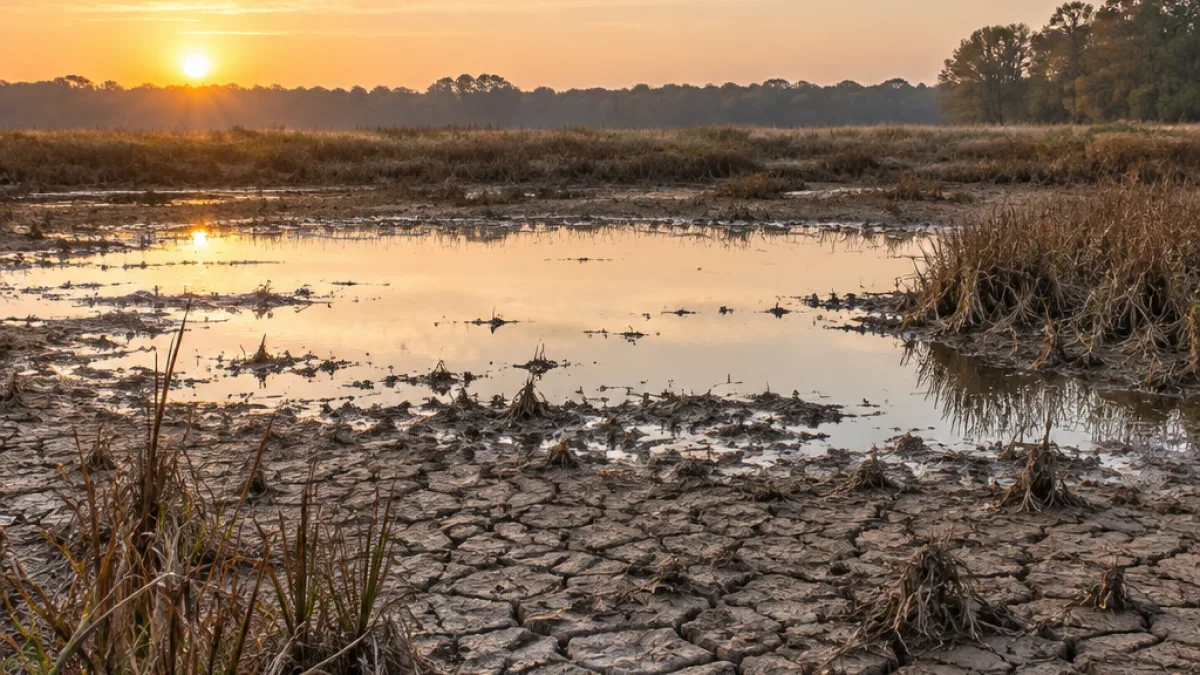
A prolonged drought has reduced the amount of wetland habitat the Arkansas Game and Fish Commission can prepare for waterfowl hunters before the first segment of Arkansas’ duck season begins Nov. 21.
Much of the state is more than 20 inches below its cumulative rainfall totals after roughly 14 months of drought, AGFC officials said. Doug Schoenrock, the commission’s director, discussed the conditions during the agency’s Oct. 7 committee meeting in Little Rock and said hunters should prepare for an unusually dry season on public and private land.
“Hunters may need to temper their expectations with the forecast we’re getting for the beginning of duck season,” Schoenrock said.
Water available on fewer managed units
David Luker, AGFC assistant chief of wildlife management, said the commission had enough water at the beginning of October to flood 42% of the moist-soil units it manages. He said the share was expected to decline if the drought continued.
Jeffrey Cothren, the commission’s wetland habitat program coordinator, provided additional figures on the agency’s managed areas:
- 71 units had at least some water available for flooding, covering about 4,627 acres.
- The commission had the ability to flood 42 huntable units, covering about 3,553 acres.
- About 2,020 acres of the potentially floodable habitat were at Steve N. Wilson Raft Creek Wildlife Management Area.
At Raft Creek, the best-case scenario was for 34 permit hunt locations to be available by Christmas. That projection depends on pumping water from the White River around the clock, an operation that had already begun when Cothren addressed the commission.
Managers monitor water and habitat
Schoenrock said the agency was tracking conditions and making information about its wetland-focused wildlife management areas available to the public. The commission’s ability to add water, however, is limited by the ongoing rainfall deficit.
“Much of Arkansas is more than 20 inches behind in cumulative rainfall totals,” Schoenrock said. “That sort of deficit doesn’t disappear after a few 1-inch rains.”
Despite the lack of water, Cothren said AGFC employees had produced strong moist-soil vegetation in the areas they could manage. Moist-soil units are managed wetlands that provide food and habitat for waterfowl and are among the areas the commission prepares for hunting access.
Arkansas’ duck season is divided into segments under AGFC regulations. The first segment is scheduled to open Nov. 21. The agency’s figures describe the water available for managed habitat and do not establish a statewide change to the season dates or hunting regulations.