Arkansas Attorney General Tim Griffin on Monday brought his statewide overdose-prevention program to the University of Arkansas for Medical Sciences, saying the campus is the 15th college and marks the program’s 20th training across Arkansas.
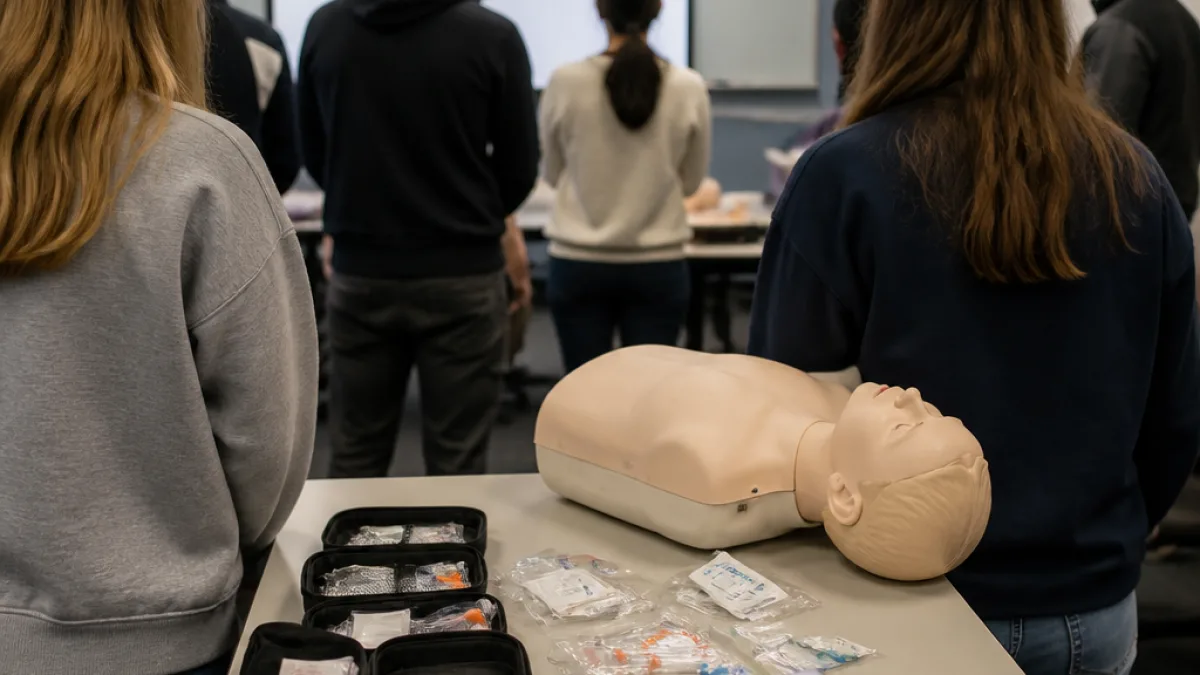
The effort, known as One Pill Can Kill, provides hands-on instruction for student leaders on recognizing the signs of opioid overdose, administering naloxone and testing medications or beverages for fentanyl. Griffin said the trainings are funded with opioid settlement money managed by his office.
“UAMS plays a critical role in educating and training Arkansas's future healthcare professionals. Educating young people about the dangers of illicit opioids and equipping them to save lives is critical to protecting Arkansans,” Griffin said.
program details and background
The initiative began in 2024 at the University of Arkansas in Fayetteville and has since expanded to multiple campuses, according to Griffin’s office. Organizers say the curriculum emphasizes immediate response steps, including how to identify an overdose, perform rescue breathing if needed and use naloxone — the opioid-reversal medication carried by many first responders and increasingly distributed in community programs.
- Training scope: campus student leaders and presumably other participants at each session.
- Skills taught: overdose recognition, naloxone administration, and fentanyl-testing techniques for suspect substances or beverages.
- Funding: opioid settlement funds administered by the Arkansas attorney general's office.
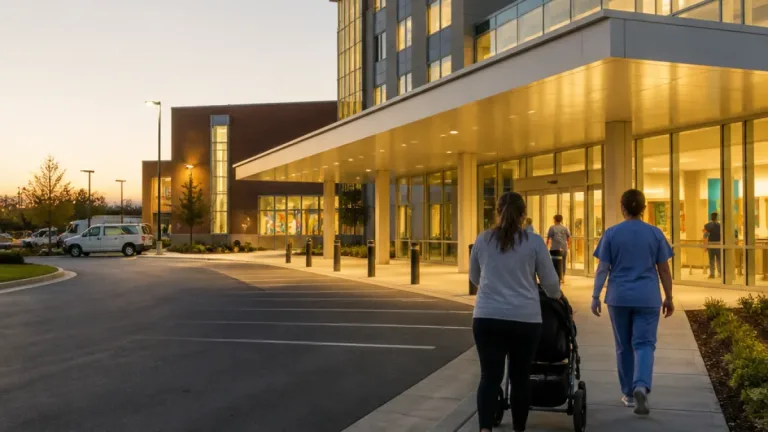
UAMS Chancellor C. Lowry Barnes joined Griffin for Monday’s event on the Little Rock campus. The university is Arkansas’s academic medical center and trains medical, nursing and allied health students who will work across the state.
Officials did not provide a schedule of future campus trainings in the announcement. The attorney general’s office described the program as part of a broader effort to reduce deaths linked to illicit opioids, particularly where fentanyl contamination raises the risk that a single pill or dose can be lethal.
The training at UAMS adds to statewide efforts that include law enforcement, public health education and distribution of naloxone through multiple channels. Organizers said the program aims to place lifesaving skills with students who may witness or encounter overdoses in campus and community settings.