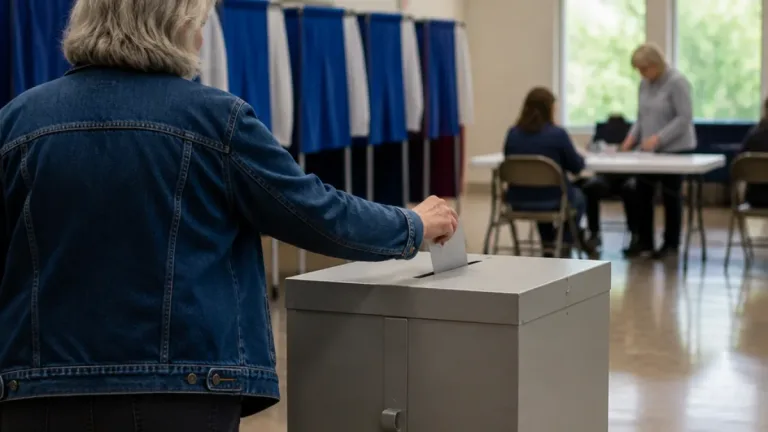
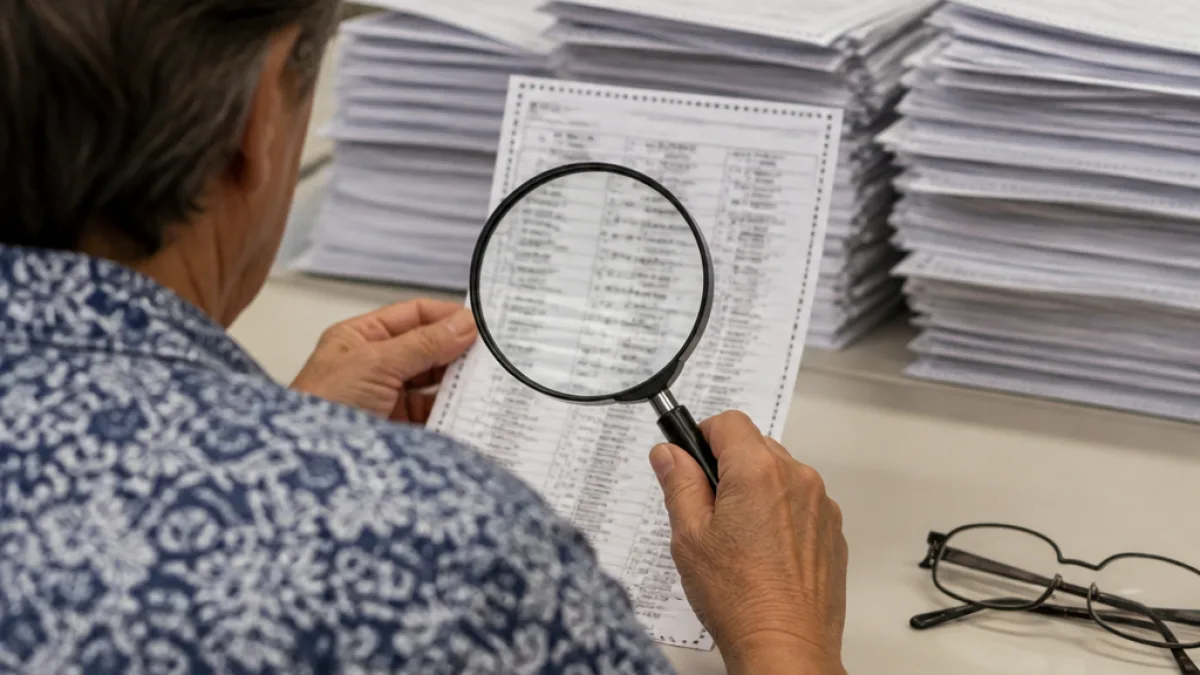
Voters across the country, including Arkansas, are facing ballot measure language this election year that Ballotpedia says is written at a level most adults do not routinely attain. In its 2026 Ballot Measure Readability Report, the political data nonprofit found that the average reading level of ballot measure titles on state ballots corresponds to about 17 years of education — roughly a first-year graduate student — while the average reading level for summaries corresponds to about 15 years of education.
Ballot language and Arkansas topics
The report noted that the 2026 statewide ballot measures cover a range of subjects, and it specifically listed topics that are on this year’s ballots in some states, including abortion, property taxes, voter identification and firearms. Ballotpedia’s analysis examined 164 measures across 40 states, comparing the reading difficulty of the short titles printed on ballots and any available summaries.
Because full measures often contain lengthy legal language, states typically publish shorter titles on the ballot itself. Ballotpedia researchers said many measures this year lack summaries to supplement those titles, and that many voters do not read past a title before deciding how to vote.
“The most significant factor driving readability differences isn’t the type or topic of the ballot measure, but which state it’s in,” said Ryan Byrne, managing editor of Ballotpedia’s ballots team.
Ballotpedia reported wide variation in readability. It cited examples ranging from a fifth-grade reading level for an Idaho question about choosing a state gun official to an extreme rating for a Colorado constitutional amendment described as having the equivalent of a 48th-grade reading level. The report said no formal education level corresponds to a 48th-grade rating, which is intended to indicate exceptionally complex language and sentence structure.
How the numbers compare with educational attainment
Ballotpedia compared its reading-level findings with U.S. Census Bureau education statistics, noting that roughly 42% of U.S. adults ages 25 to 54 hold a bachelor’s degree or higher. The report implied that the average reading difficulty of many ballot items exceeds the educational attainment of a majority of voting-age adults.
- Measures analyzed: 164 statewide ballot measures across 40 states.
- Average title reading level: 17 years of education (first-year graduate student).
- Average summary reading level: 15 years of education (college level).
Ballotpedia’s analysis focused on the titles and summaries that voters actually see on ballots, rather than the full legal text of each measure. The nonprofit’s findings are part of an ongoing effort to document how the presentation of ballot questions may affect voter understanding and decision-making ahead of the Nov. 3 general election.
Arkansas voters will see several constitutional and statutory questions on the Nov. 3 ballot. State election offices publish the official titles and ballot language; voters and advocacy groups have by law the opportunity to prepare arguments and explanatory materials for some measures, depending on state rules.