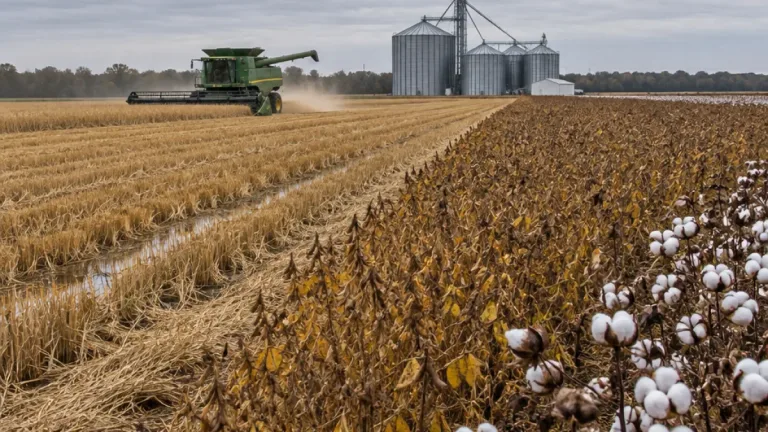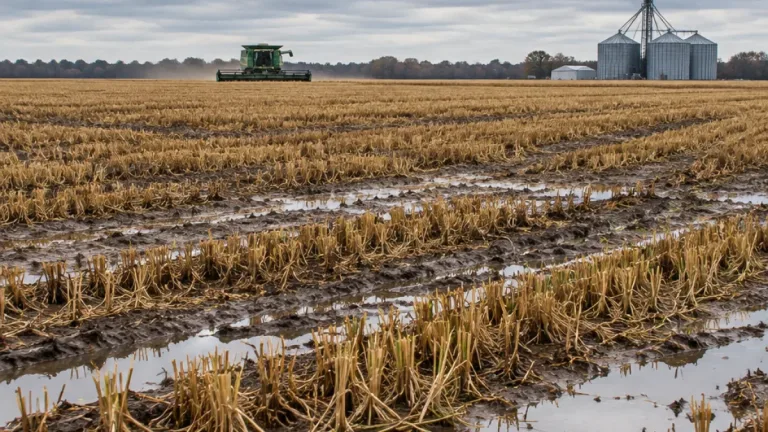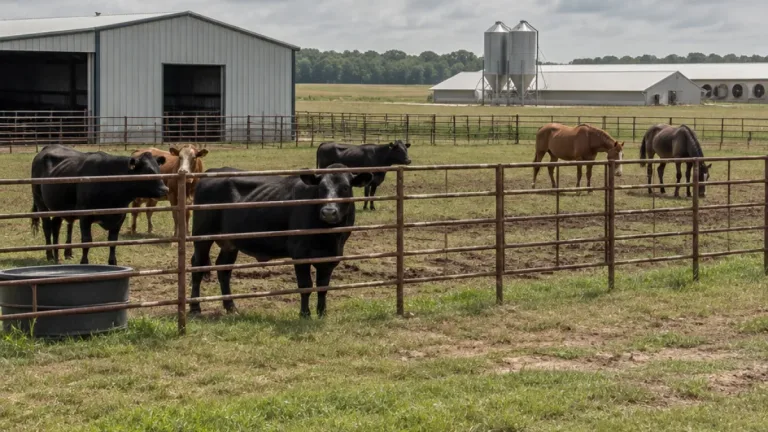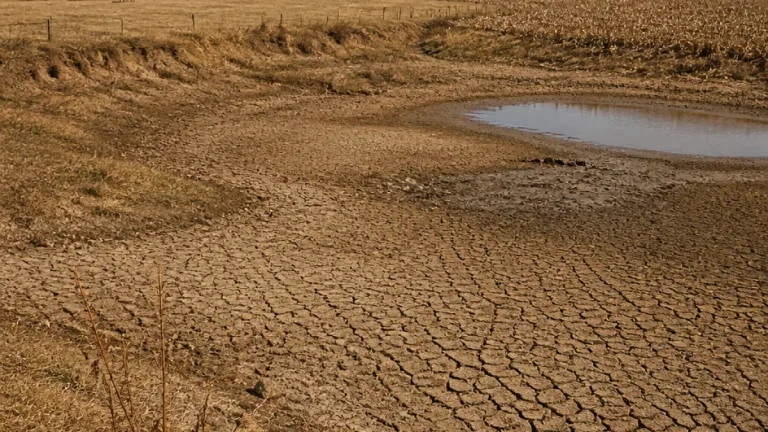
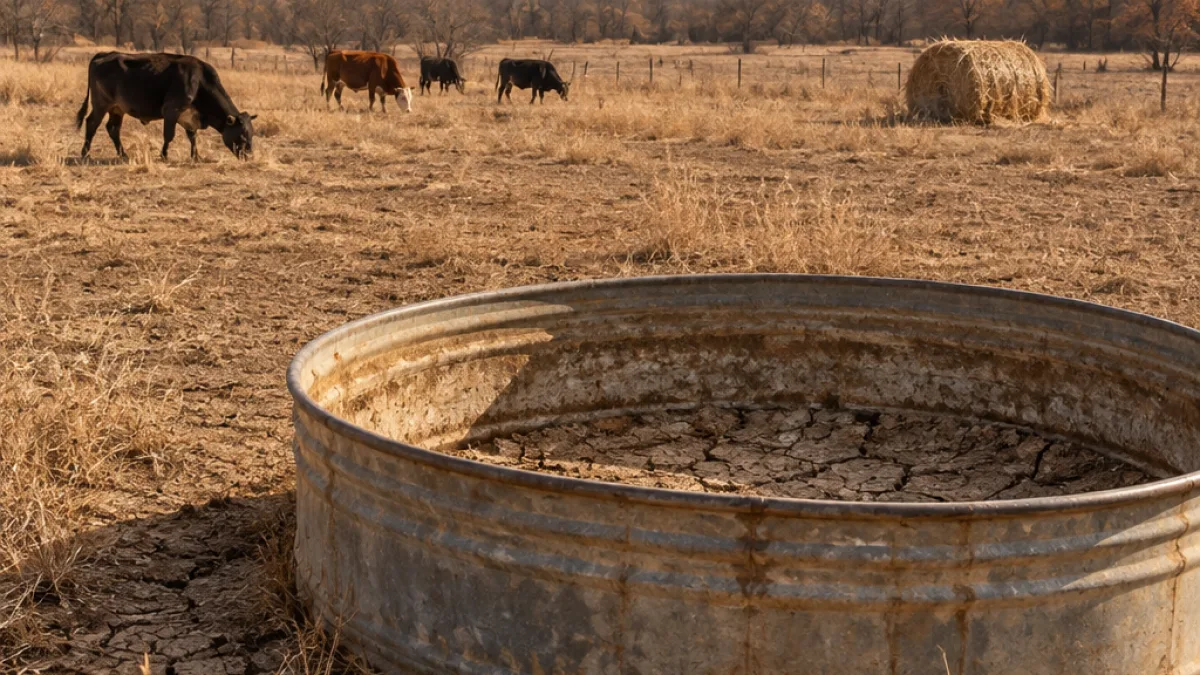
Drought covered 96% of Arkansas beef cows as of Oct. 27, with nearly three-quarters in extreme drought or worse, according to an analysis of U.S. Drought Monitor data by Mississippi State University agricultural economist Josh Maples.
The analysis said 73% of the state’s beef cows were in drought category D3 or worse, including 23% in exceptional drought, the most severe category. The share in exceptional drought had increased from 3% four weeks earlier.
Arkansas conditions rank among the region’s most severe
Arkansas, Mississippi and Kentucky together have about 2.2 million beef cows, but their drought patterns have differed. Maples, an assistant professor and extension economist in Mississippi State’s Department of Agricultural Economics, said Arkansas has experienced the longest and most severe drought of the three states.
More than half of Arkansas’ beef cows have been in severe drought or worse, categories D2 through D4, during 31 of the 43 weeks recorded so far this year. The analysis said only 2012 had a larger share of Arkansas beef cows in severe drought in late October since the U.S. Drought Monitor began in 2000.
| State | Drought conditions described in the analysis |
|---|---|
| Arkansas | 96% of beef cows in drought; 73% in D3-D4; 23% in D4 |
| Mississippi | 77% of beef cows in D2-D4; 18% in D3 or worse |
| Kentucky | 17% of beef cows in drought, mostly moderate |
The dry fall has direct implications for cow-calf operations. Maples said producers are facing less stockpiled forage, slower establishment of winter annuals and earlier feeding of hay. Those conditions can increase pressure on available feed as cattle move into winter.
Drought may also affect herd decisions. The analysis said producers may make deeper culling decisions or retain fewer heifers than they had planned. Culling removes animals from the breeding herd, while retaining heifers is a way for producers to maintain or expand future cow numbers.
Federal assistance available in eligible counties
The USDA offers drought assistance through the Livestock Forage Disaster Program. Producers in eligible drought counties were advised to contact their local Farm Service Agency office about the program and eligibility requirements.
Mississippi’s drought worsened sharply during the fall, with the share of beef cows in severe drought or worse rising from 18% on Sept. 29 to 77% on Oct. 27. Kentucky entered the spring with widespread drought, but conditions improved through the summer; 17% of its beef cows remained in drought on Oct. 27, mostly at the moderate level.