The U.S. Department of Agriculture lowered its November projections for corn, soybeans and peanuts as harvest approached completion, while slightly raising its estimate for rice yields. The updated figures from the USDA’s National Agricultural Statistics Service incorporate field conditions, harvest results and new crop survey data.
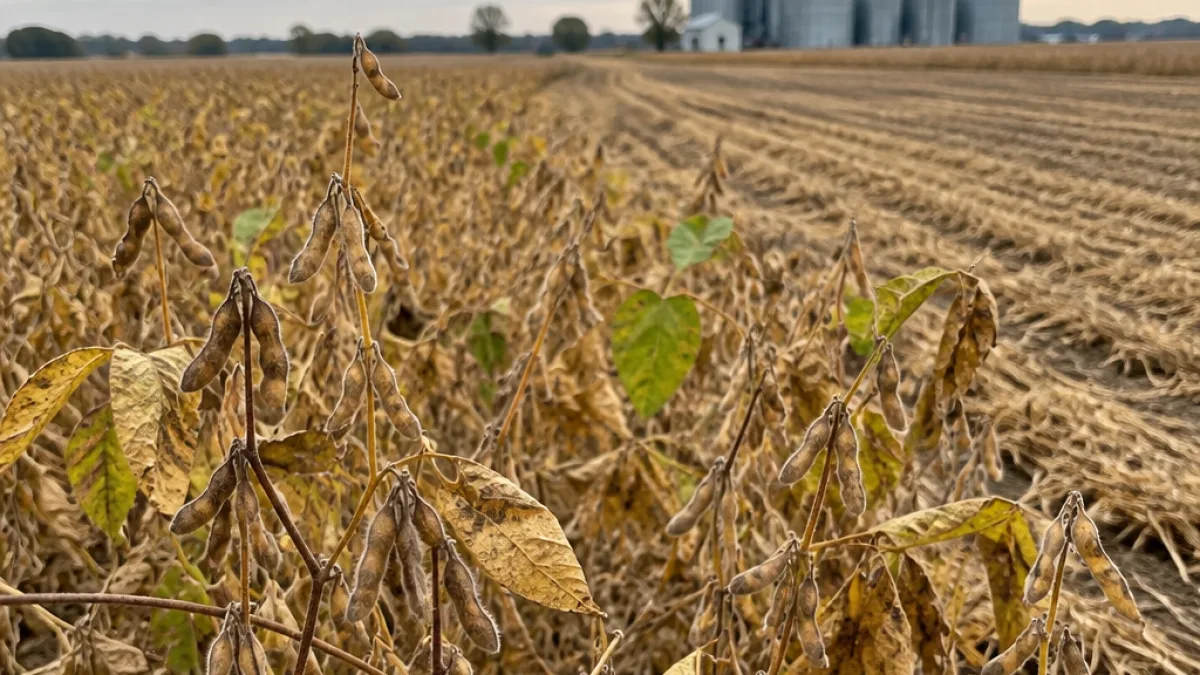
Arkansas’ soybean survey results were among the figures cited in the update. The state’s November count was 1,552 soybean pods with beans per 18 square feet, down 323 pods from the 1,875 counted in 2025. Jeremy Ross, an extension soybean agronomist for the University of Arkansas System Division of Agriculture, said growers he had contacted generally reported yields that were average or below expectations.
“Many of the soybean farmers I have talked to have ‘average at best’ soybean yields for 2026,” said Jeremy Ross, an extension soybean agronomist for UADA. “If you look at the ‘Soybean Pods with Beans per 18 Square Feet’ table from the NASS report, the November 2026 pod count for Arkansas at 1,552 pods is 323 less pods than was counted in 2025, which was 1,875 pods.”
November revisions
NASS reduced its projected corn yield by 3 bushels per acre from the October estimate. The soybean yield forecast also fell by 3 bushels per acre after crop observations found lower pod counts in several major soybean-producing states. Even after those changes, the projected corn and soybean yields remained among the highest on record.
- Peanuts: The estimate fell by 100 pounds per acre from October.
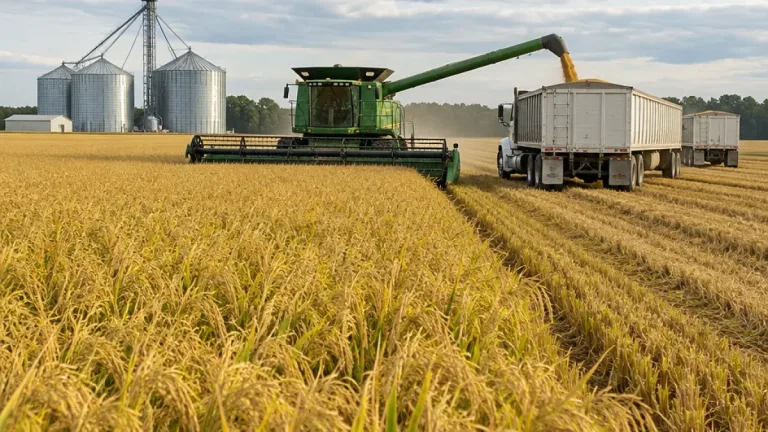
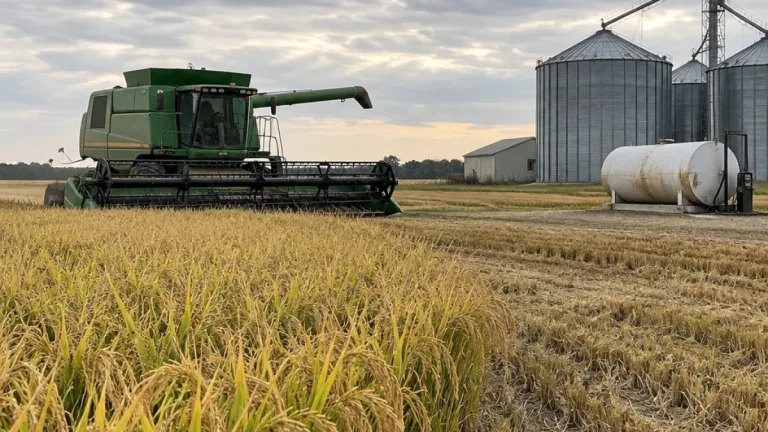
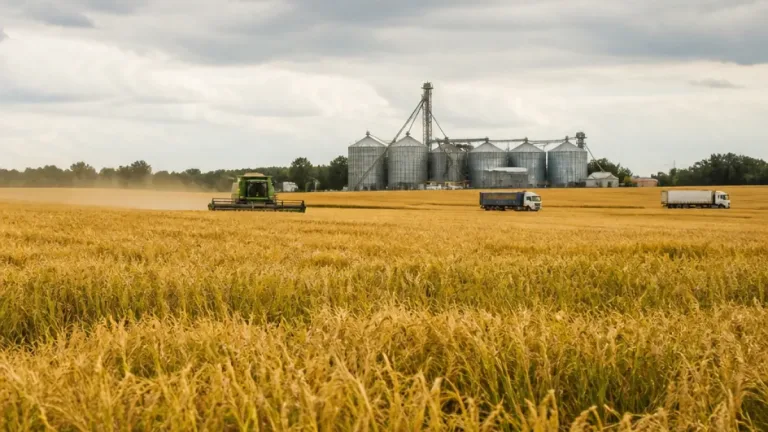
- Rice: The projected yield increased slightly after stronger-than-expected harvest results in many fields.
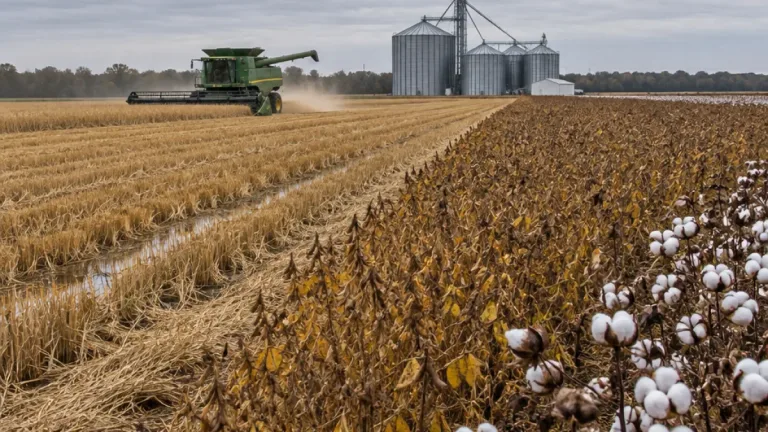
- Cotton: The November estimate was unchanged.
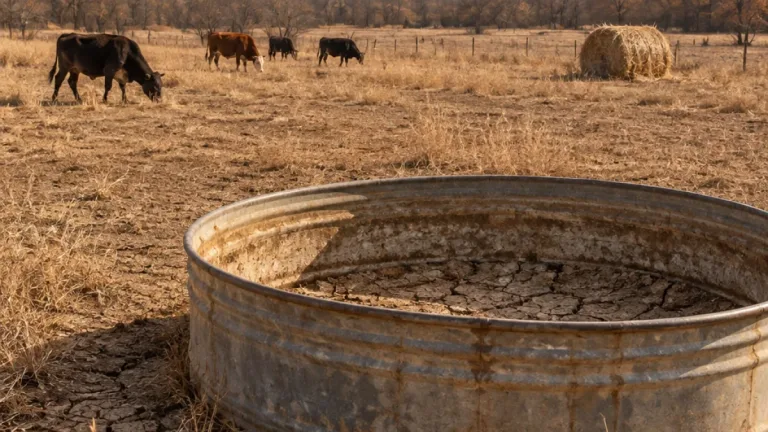
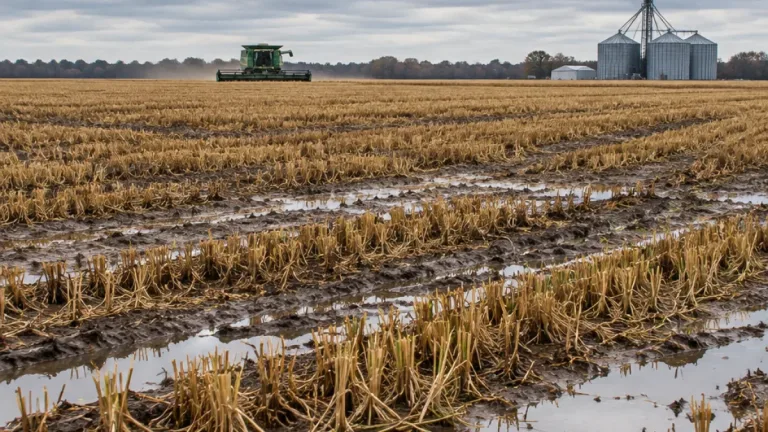
The soybean observations reflected uneven growing conditions across producing regions. Farmers in several areas reported average to below-expectation results after weather-related stress during the growing season, and the lower pod counts recorded during field surveys supported the USDA’s reduction in projected soybean yields.
Rice was the only major crop in the update to receive a higher estimate. Some growers achieved yields near record levels, agricultural specialists said, but variation from field to field limited the size of the increase. The November estimates provide the latest USDA assessment as producers finish harvesting and the agency incorporates additional survey information.