Four Fayetteville census tracts have been designated as federal Opportunity Zones, making projects in the areas eligible for tax incentives intended to attract private investment. The designations take effect Jan. 1, 2027, and remain in place through Dec. 31, 2036.
The U.S. Department of the Treasury approved the designations after Fayetteville submitted the tracts through the state. The governor’s office and the Arkansas Economic Development Commission recommended the areas to the federal government, according to information released by the city.
Four Fayetteville areas designated
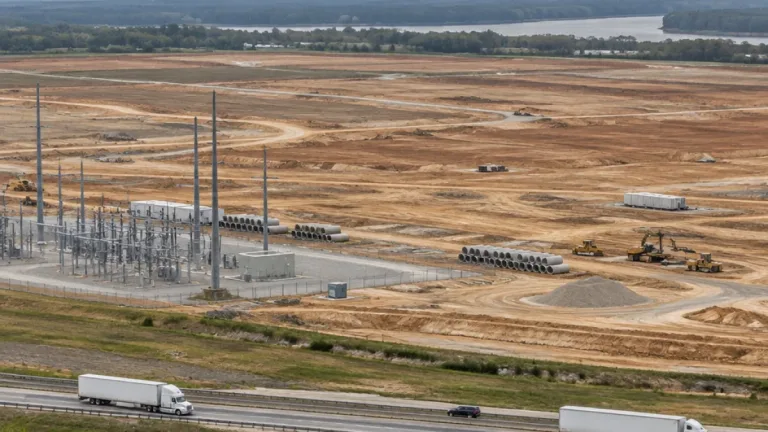
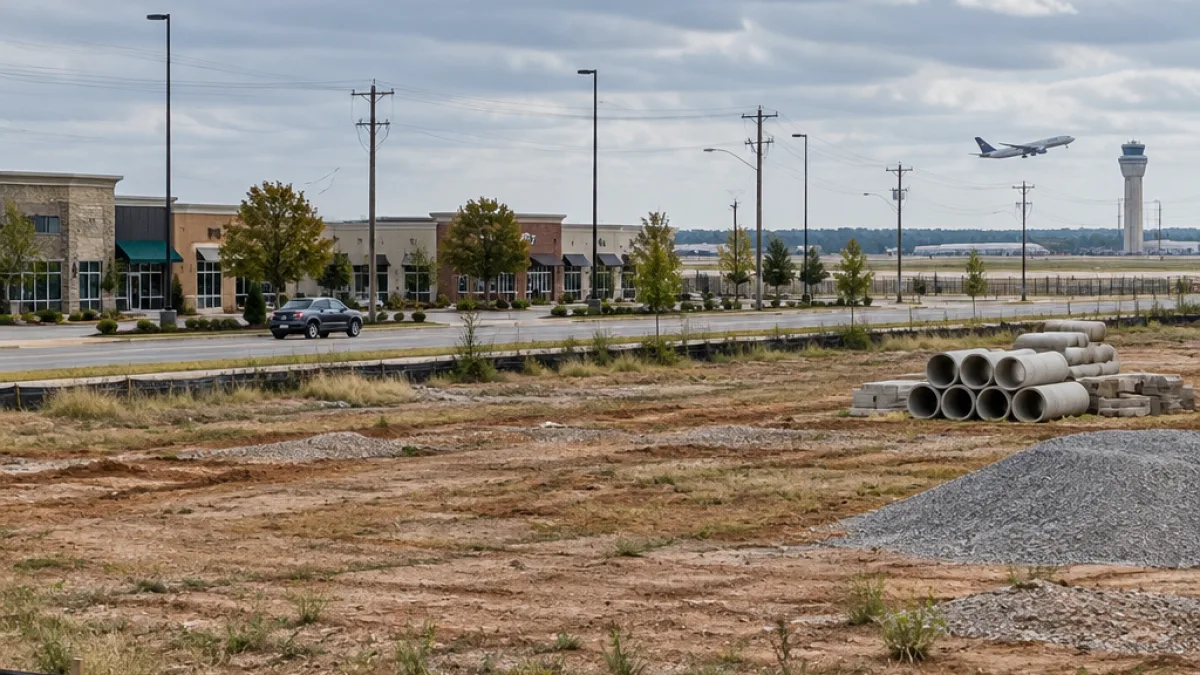
- Drake Field Airport and the surrounding South Fayetteville employment area
- Drake Farms
- The midtown corridor around Washington Regional Medical Center
- Commercial corridors that include portions of College Avenue, South School Avenue and M.L.K. Jr. Boulevard
The Opportunity Zone program was created by the Tax Cuts and Jobs Act of 2017 to encourage investment in areas classified as economically distressed. Eligible investors can receive tax incentives for qualifying projects located in designated census tracts.
The Fayetteville areas were identified as having potential for housing, health care and professional-services employment, commercial growth and the redevelopment of existing commercial properties. Opportunity Zone designations can be renewed after 10 years.
“This designation puts a powerful federal tax incentive behind areas where Fayetteville is already investing, planning, and seeing private-sector interest,” — Fayetteville Mayor Molly Rawn
Rawn said the city’s work following the designation would focus on using the incentive to attract projects involving housing, jobs and the city’s longer-term economic development. She credited the city’s Economic Development team, the AEDC and other participants with helping prepare the application.
The designations cover parts of a city that has been planning development around employment, medical and commercial areas. The federal designation does not itself approve a particular construction project or provide a direct award of public money. Instead, it establishes an eligibility framework for private projects seeking the program’s tax benefits during the 10-year designation period.