Arkansas’ entire congressional delegation is asking the Food and Drug Administration to complete federal guidance establishing safety limits for opiate alkaloids in unwashed poppy seeds. The lawmakers sent the letter Thursday, Nov. 19, to Acting FDA Commissioner Kyle Diamantas.
U.S. Sen. Tom Cotton, R-Ark., led the request with U.S. Sen. John Boozman, R-Ark., and Reps. Rick Crawford, R-Ark., French Hill, R-Ark., Steve Womack, R-Ark., and Bruce Westerman, R-Ark. The letter focuses on poppy seeds that can contain morphine, codeine and other opiate substances.
The lawmakers said at least 19 people in the United States have died from morphine overdoses associated with contaminated poppy seeds. They also cited 20 nonfatal overdoses. The letter connects the issue to Fayetteville resident Stephen Hacala Jr., whose death followed consumption of morphine-laced poppy seeds purchased through Amazon.
Request for FDA action
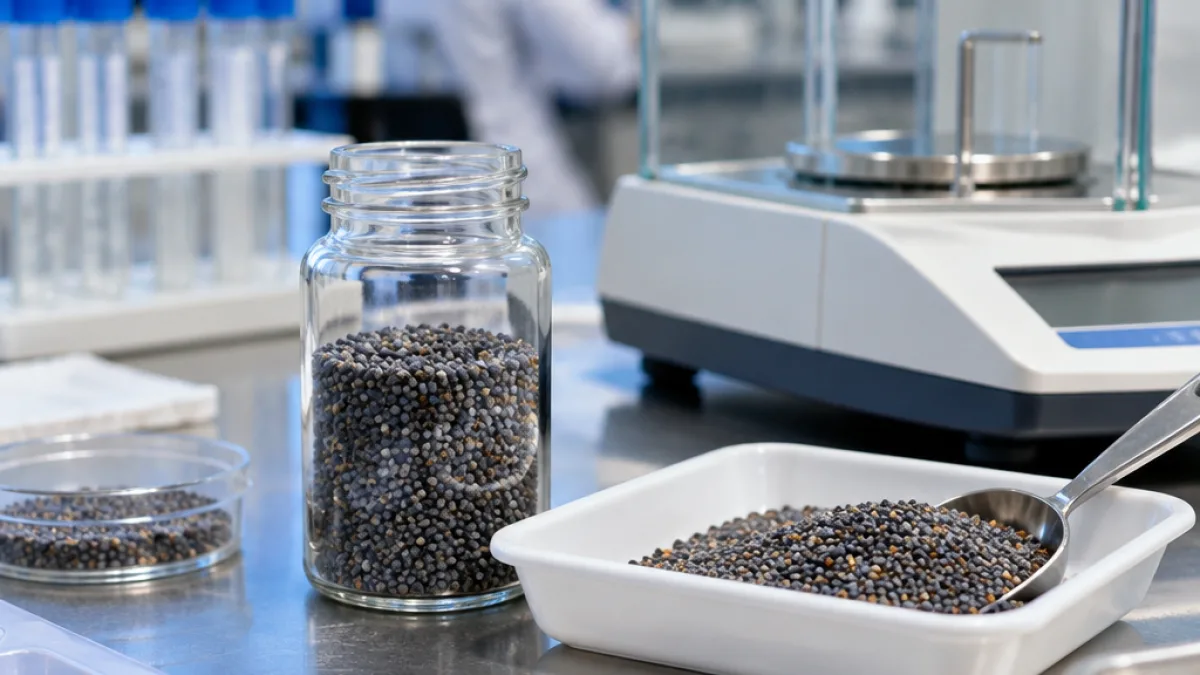
The delegation asked the FDA to finalize its guidance as soon as possible. The proposed guidance would establish action levels for opiate alkaloids, giving the agency a basis for determining when contamination in poppy seeds presents a safety concern.
“It is imperative that FDA finalizes official guidance that establishes action levels for opiate alkaloids on poppy seeds as soon as possible to prevent harm and further deaths. We look forward to working with you on this important matter.”
The lawmakers’ letter also described federal actions already taken during 2026. On April 21, the FDA launched a webpage covering its research and monitoring of opiate alkaloids in poppy seeds, potential health effects and consumer information. On June 29, the FDA’s Human Foods Program said it intended to develop guidance establishing action levels for the substances.
- In April 2025, Cotton introduced the Stephen Hacala Poppy Seed Safety Act.
- The proposed law would prohibit the sale of poppy seeds containing harmful levels of opiates.
- The delegation’s letter asks the FDA to complete administrative guidance on contamination limits.
The letter describes unwashed poppy seeds as a continuing public-health threat because of possible contamination with illicit substances, including morphine and codeine. The request seeks action from the FDA rather than announcing a new law or a completed regulatory rule.
Cotton’s bill is named for Hacala, an Arkansas resident whose death prompted the senator’s legislative effort. The letter brings the state’s two senators and four House members together in asking the FDA to move forward with the proposed standards.