The U.S. Army used a two-day Arkansas visit to examine industrial modernization, supply-chain resilience and research partnerships involving Pine Bluff Arsenal, Walmart and the University of Arkansas.
Acting Army Secretary Adam Telle visited the state on Oct. 29 and 30, connecting the Army’s defense-production priorities with the operations of a major commercial supply-chain company and university research in logistics and materials. The meetings were part of the Army’s effort to work more closely with private businesses and academic institutions as it updates production facilities and strengthens its industrial base.
“evolve at the speed of business” — Acting Army Secretary Adam Telle
Pine Bluff Arsenal modernization
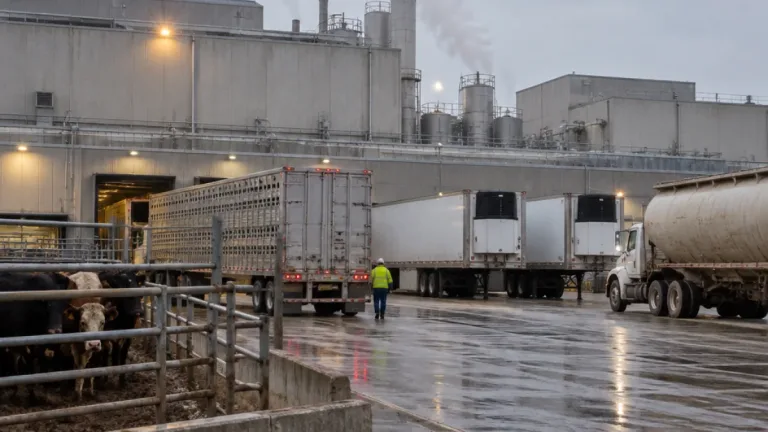
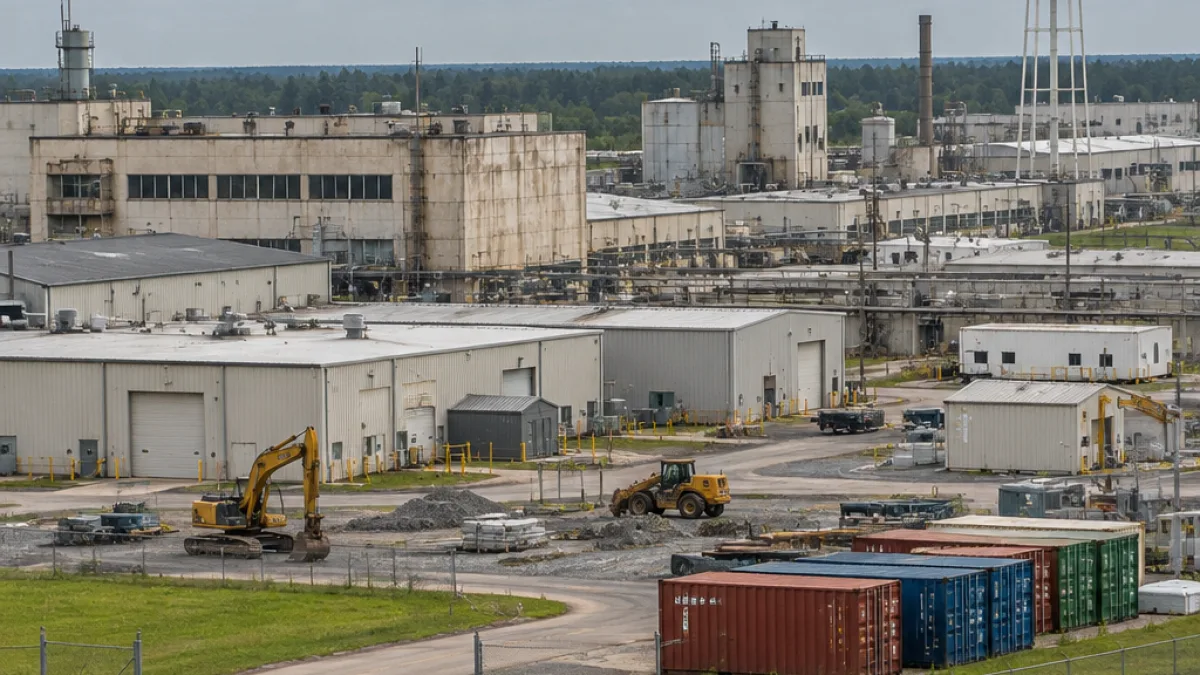
At Pine Bluff Arsenal, discussions centered on the ARSENAL READY campaign, an initiative launched last year to move the facility away from a reactive sustainment model and toward a continuously operating defense industrial park. The effort includes public-private partnerships, expanded enhanced-use leasing and a broader mix of industrial activities.
The arsenal covers about 15,000 acres and contains more than 500 buildings and over 1 million square feet of explosive storage. Its production portfolio includes tactical smoke, pyrotechnics and illumination rounds, along with nonlethal ammunition, chemical and biological defense equipment, filtration and textiles.
- Pine Bluff Arsenal is the nation’s sole-source producer of white phosphorus munitions, according to the Army-related account.
- The facility is included in the Department of War’s “Arsenal of Freedom” effort to renew the defense and organic industrial base.
- ARSENAL READY relies on public-private partnerships and enhanced-use leasing to expand activity at the installation.
Supply-chain and research discussions
Telle’s meetings at Walmart’s headquarters and its Global Security Operations Center examined how a company with geographically dispersed operations tracks activity and responds when disruptions affect its network. Army and Walmart representatives compared approaches to natural disasters, changing security conditions and other global events.
The Army’s interest is tied to sustaining military forces when established routes are disrupted or conditions change. The visit also included the University of Arkansas, where logistics and materials research formed part of the broader discussion about technology and workforce development.
The Arkansas activities support the Army’s stated effort to build closer working relationships with commercial companies and research institutions. Pine Bluff Arsenal’s modernization campaign, Walmart’s supply-chain experience and university research were presented as three connected parts of that effort in the state.