Sen. John Boozman, R-Ark., and Sen. Alex Padilla, D-Calif., have introduced bipartisan legislation that would give the U.S. Fish and Wildlife Service broader authority to work with state, tribal and nongovernmental organizations on habitat management across the National Wildlife Refuge System.
The National Wildlife Refuge Habitat Partnership Act would allow the Fish and Wildlife Service to enter into contracts or agreements with nonfederal partners for work on refuge lands. The measure is intended to expand the personnel, equipment and expertise available for maintaining habitat for fish, waterfowl, wildlife and plant species.
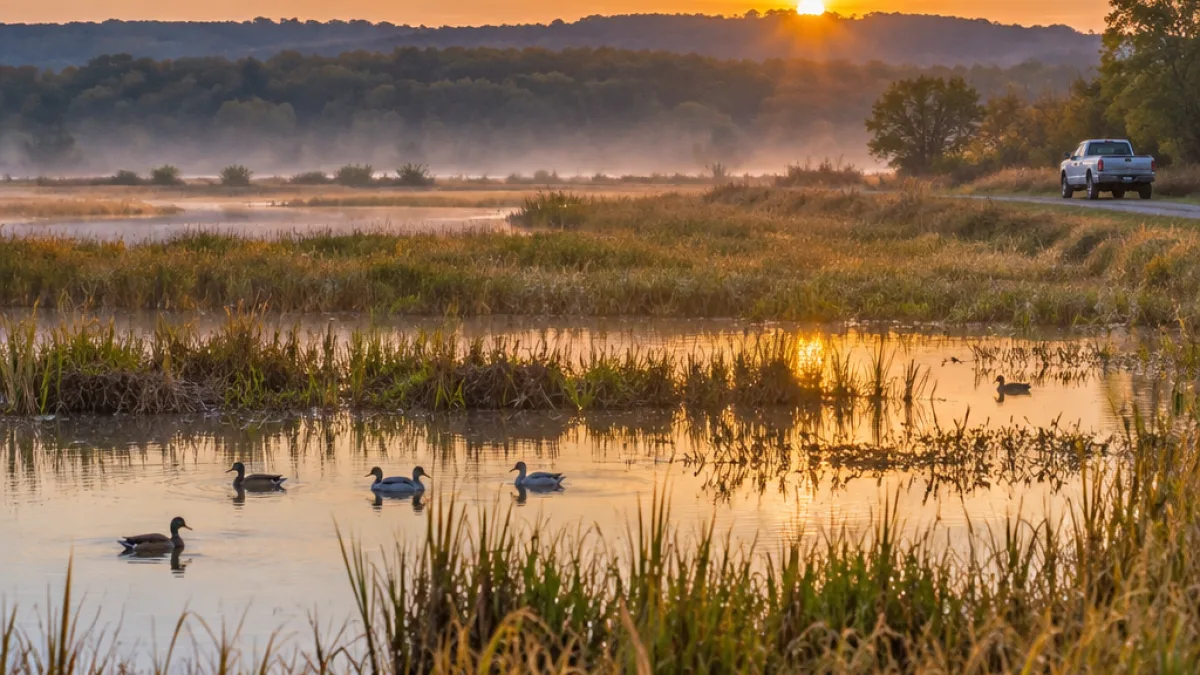
Arkansas has 10 national wildlife refuges, according to Boozman. The refuges are administered by the Fish and Wildlife Service and require continuing management to maintain habitat conditions and address the needs of the species that depend on them.
“Effective management of these sites requires the right resources and collaboration. There are 10 national wildlife refuges in Arkansas and this legislation will give the U.S. Fish and Wildlife Service greater flexibility to work with state, tribal, and non-government partners to maintain these lands and address management needs.”
Boozman said the bill would make it possible to use outside resources and expertise in managing the Arkansas refuges. The legislation would establish an authority for the Fish and Wildlife Service similar to authorities already available to the U.S. Forest Service, Bureau of Land Management and National Park Service.
What the bill would authorize
- Contracts or agreements between the Fish and Wildlife Service and nonfederal partners.
- Participation by state, tribal and nongovernmental organizations in habitat-management work.
- Use of additional personnel, equipment and expertise on National Wildlife Refuge System lands.
Padilla said national wildlife refuges conserve natural resources and provide habitat for fish and wildlife. He also said maintaining the lands could help reduce the effects of natural disasters and improve recreational access.
“This bill will leverage public, private, and non-profit resources to improve habitat conservation and ensure our public lands are supported and protected.”
The National Wildlife Refuge System includes hundreds of refuges nationwide. Under the bill, the Fish and Wildlife Service would receive explicit authority to form partnerships for habitat work on those lands, expanding the agency’s ability to coordinate with organizations and governments outside the federal system.